Difficult histories are the stories institutions most need to tell, and the ones with the highest stakes when told poorly. With scholarly expertise in memory, memorialization, and human rights, and a practice that is trauma-informed and ethical at every step, this consultancy helps your institution tell hard stories with confidence rather than caution.
Your exhibitions gain depth and honesty. Your staff gain skills and support for demanding work. Your institution builds trust with the communities whose stories it holds. Whether you start with a collection review or a full partnership, every engagement builds toward memory work that moves people.
Human Rights-Driven, Trauma-Informed, Tailored to Your Institution
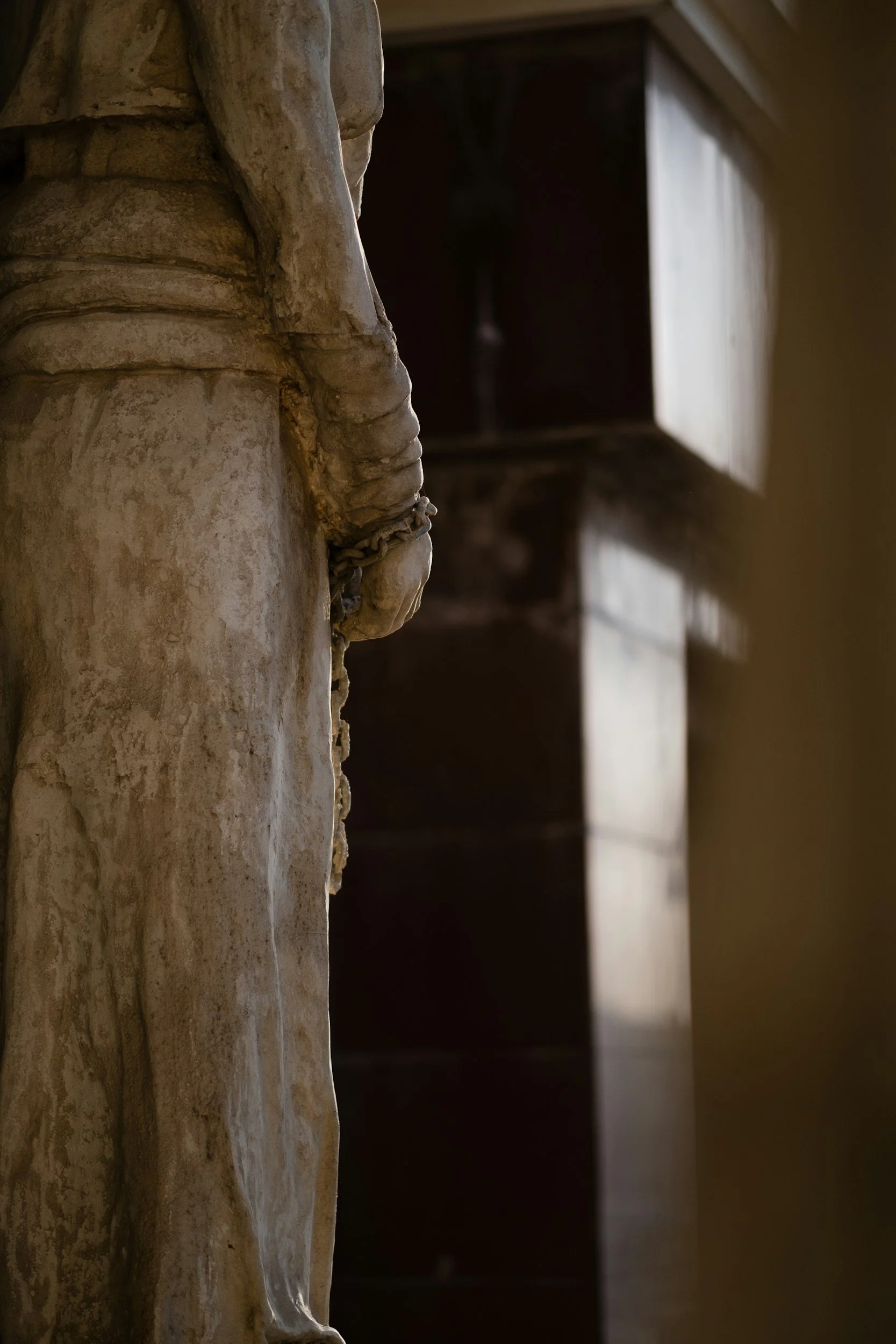
The Assessment
Hidden Histories in Your Collection
Fees by proposal
Your starting point. A focused, fixed-scope engagement that reveals what your institution already holds.
Every collection holds stories that have never been told, and some that have been told the wrong way. This service takes a fresh, ethically grounded look at what your institution already stewards: objects, archives, photographs, and records. Together we surface narratives of colonialism, migration, resistance, and survival waiting in your storage rooms, and reinterpret contested objects with honesty about how they were acquired and accountability to the communities they came from. Because these objects often carry trauma with them, the work is approached with trauma-informed care: for source communities, for your staff, and for the stories themselves. No new acquisitions required, just new questions asked ethically.
What's included
A guided review of selected collections, archives, and existing interpretation through an ethical, trauma-informed lens
A written Hidden Histories Report identifying untold stories, contested objects, and reinterpretation opportunities, with each finding ranked by readiness
Provenance and acquisition flags: where honest acknowledgment is needed and how to approach it
A closing briefing with staff and leadership to walk through findings and decide what comes next
Best for: institutions that know their collection has more to say but need an experienced, careful eye to find it; teams testing the waters before a larger commitment.
Where it leads: findings from The Assessment often become the seed of a new exhibition (Tier Two) or reveal structural questions best addressed in partnership (Tier Three).
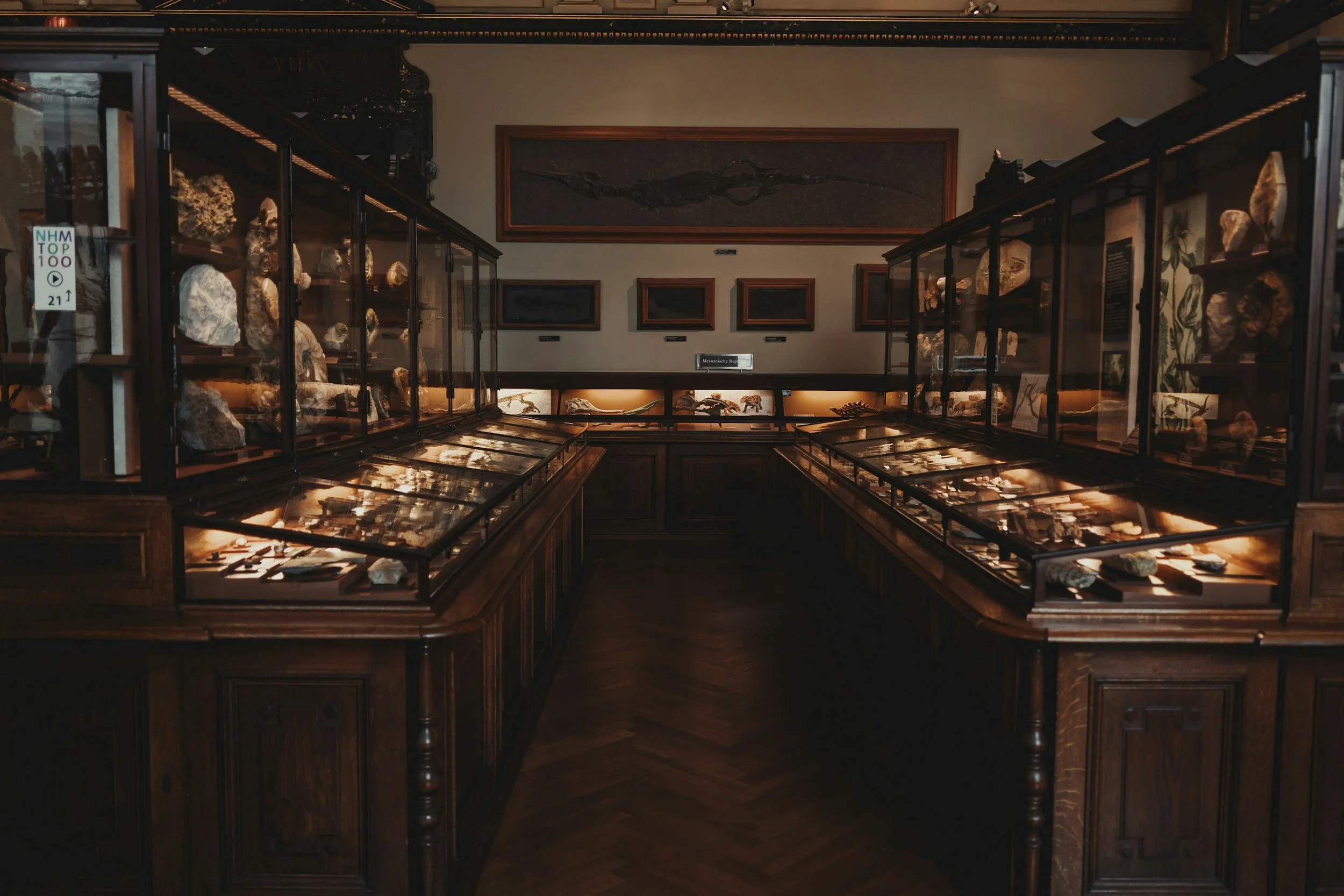
The Development
Exhibition Development for Difficult Histories
Fees by proposal
A full project engagement, from first concept to opening day. Let us do the difficult work.
From first concept to opening day, this service guides new exhibitions on histories of mass atrocity, genocide, displacement, and human rights, with trauma-informed practice built in at every stage. That means shaping the interpretive vision around the wellbeing of survivors, descendants, staff, and visitors; advising on the ethical use of testimony, images, and objects so that no one's pain is put on display without consent, context, and care; and working with affected communities so their stories are told with them, not simply about them. The result is an exhibition that is rigorous in its scholarship, ethical in its methods, and humane in its impact.
What's included
Interpretive vision and narrative development grounded in current scholarship on memory, memorialization, and human rights
An ethical framework for testimony, images, and objects, including consent processes and guidance on what not to display
Community engagement design so survivors and descendants shape the telling of their own stories
Trauma-informed visitor experience planning: pacing, content notes, spaces for reflection, and care for front-of-house staff
Ongoing advisory through design, fabrication, and installation, plus support for opening and interpretation staff training
Best for: institutions planning a new gallery or exhibition on difficult histories, or rethinking a longstanding one that no longer reflects how these stories should be told.
Where it leads: many institutions find the exhibition process surfaces deeper questions about their own structures. The Transformation exists for exactly that moment.
The Transformation
Ethical Practice and Institutional Change
Fees by proposal
An ongoing partnership that changes not just what your institution says, but how it works.
Telling ethical stories requires an institution capable of telling them. This service works alongside your staff and leadership to examine the colonial structures your museum may have inherited, from governance and collecting practices to language, labels, and community relationships. Because this work asks hard questions and can stir difficult emotions, every workshop and facilitated conversation is trauma-informed by design: paced with care, grounded in consent, and attentive to the wellbeing of the people in the room as much as the communities beyond it. Your team builds the skills and confidence to carry ethical, trauma-informed practice forward themselves, long after the engagement ends.
What's included
An institutional review of governance, collecting, language, and community relationships through a decolonial lens
A facilitated workshop series for staff and leadership, trauma-informed by design and paced for real change rather than performative change
Team development and coaching so ethical practice becomes internal capacity, not external dependency
Community relationship strategy: building or repairing trust with the communities whose stories your institution holds
A practical roadmap with milestones your team owns after the engagement ends
Best for: institutions ready to move beyond statements and into structural change; leadership teams who want the work done with their people, not to them.
Where it leads: an institution that can tell difficult histories ethically on its own, which is the goal of every engagement.
Speaking and Lectures
Keynotes, conference sessions, workshops, and guest lectures on telling difficult histories.
Dr. Megaffin speaks to museum audiences, conferences, universities, and community organizations about the questions at the heart of contemporary museum practice: how to exhibit histories of genocide and mass atrocity, how to work with Survivor testimony ethically, and how institutions can tell hard stories with honesty and care. Every talk is grounded in doctoral research conducted inside Canada's national museums and more than fifteen years of hands-on museum experience. And because these subjects carry real weight, every presentation is trauma-informed in both content and delivery, with care taken for what audiences bring into the room and what they carry out of it.
Formats
Keynotes and plenary addresses for conferences and professional associations
Conference sessions, panels, and moderated conversations
Workshops and staff learning days, from a single session to a full day
Guest lectures and seminars for university programs, in person or virtual
Media commentary and interviews on museums, memory, and difficult histories
Popular topics
Exhibiting difficult histories: lessons from inside Canada's national museums
Trauma-informed interpretation: what it is and how to practice it
The ethics of displaying Survivor testimony
Building ethical practice across your institution
Museums as human rights actors
Best for: conferences, professional associations, museum studies programs, staff learning days, and public event series. Talks can be tailored to your audience, theme, or region.
General Ethics Review
An expert review of your exhibition content before it opens.
Sometimes you don't need a full engagement. You need an experienced, trauma-informed set of eyes on the exhibition you're about to open. The Ethics Review is exactly that. Send your draft exhibition text, scripts, label copy, or interpretive plans, and receive a clear written review that flags ethical risks, identifies where harm could occur to Survivors, communities, staff, or visitors, and offers practical, specific fixes you can act on right away. Every review considers consent, dignity, tone, and the difference between honouring difficult histories and putting pain on display.
What's included
A close reading of your exhibition text, scripts, labels, or interpretive plans through an ethical, trauma-informed lens
A written report flagging risks and concerns, each paired with a practical, specific recommendation
Guidance on consent, content warnings, pacing, and the treatment of testimony, images, and objects
A debrief call to walk through the findings together and answer your team's questions
Best for: institutions in the final stages of exhibition development, teams who want confidence before opening day, and museums working with a consultant for the first time. Delivered on a fixed fee with a fast turnaround.
Ethical Digital Storytelling
Social media content and strategy for telling difficult histories online.
Difficult histories don't stay inside the gallery anymore. They live on your Instagram feed, in comment sections, and in the posts your visitors share, and the ethical stakes travel with them. A Survivor's story compressed into a caption, a photograph of atrocity in an algorithm built for entertainment, a commemoration date reduced to a hashtag: these are real interpretive choices, and most institutions are making them without support. This service brings the same trauma-informed, ethical practice from the exhibition floor to the digital world, so your institution can share hard stories online with the same care it takes in its galleries.
The Audit
A focused review of your existing social media through an ethical, trauma-informed lens. You receive a written report on how your channels currently handle difficult content, where the risks are, what's working, and practical recommendations you can apply immediately, followed by a debrief call with your team.
The Playbook
A complete social media plan built for your institution. Together we develop your digital voice, content pillars, and posting rhythms, plus the tools your team needs to work independently: ethical guidelines for testimony, images, and commemorative dates, ready-to-use post templates, guidance for handling difficult comments with care, and a planning calendar built around the histories you hold. Your team runs your channels; the Playbook makes sure they never have to guess.
The Partnership
Ongoing content creation, done with you. Working alongside your team on a monthly basis, this tier includes drafting and reviewing posts, developing campaigns for exhibitions and commemorations, adapting to what emerges in your community, and coaching your staff as they grow. Difficult histories arrive online with the same honesty, dignity, and care as everything else you do.
Best for: museums, memorials, archives, and heritage organizations whose social media has to carry heavy stories, and teams who want confidence that their digital presence honours the people in it.
Begin Your Consultation
Submit the inquiry form to initiate a confidential discussion and explore how these solutions can advance your strategic priorities.